
Leitura editorial
Komprenit ar magic red bonus code hag e vantajoù eksklusif
Komprenit ar magic red bonus code hag e vantajoù eksklusif Kontenu ar pennad-mañ Pet eo ar magic red bonus code? Penaos implijout ar magic red…
Ler artigo ↗
At gorilabet, table games call for simple reading: what defines the round, how much you need to follow, and where the decision really comes in. Roulette, blackjack, baccarat, and poker may share the same setting, but they do not work the same way. This page brings together useful differences, without promising results and without mixing styles that require different levels of attention.

The comparison becomes clearer when you move beyond the generic label and look at how it works. Instead of treating everything as a “table game,” observe what the round asks of you, how much the table shows, and whether the choice is one-off or ongoing.
Roulette centers on a single outcome. The reading is usually straightforward: attention falls on the chosen bet and on the spin that ends the round.
Blackjack calls for more follow-up. The sequence matters, because the decision talks to the hand in progress and to the table rules.
Baccarat reduces the friction of the round. The focus stays on the main choice and on the way the table presents the outcome.
Poker changes the tone. The decision is not just instant; it depends on reading, position, and what remains visible throughout the table.
Before choosing a table, it’s worth observing how the round is organized from start to finish. Some tables make everything explicit right at the opening; others ask you to follow the sequence to understand what can still change. This alters the way you decide, because the same bet can carry different weight when information appears all at once or when it comes in stages. At gorilabet, this reading helps separate the table that fits a quick decision from the one that demands more mental follow-up and less impulse.
It also matters to notice whether the table revolves around a single choice or several chained micro-decisions. When the action is concentrated, the reasoning tends to be more direct and the focus stays on the immediate result. When the table spreads decisions across the round, attention needs to stay active for longer. This detail changes the experience even before any bet, because it affects the pace, the expectation, and the way you interpret each movement that appears on the screen.
Another practical point is noticing the level of predictability the table offers. There are games where the structure is almost fully visible from the start, while others preserve part of the uncertainty until the last moment. That does not mean one table is “better” than another; it only means each one calls for a different kind of reading. Those who prefer immediate clarity usually adapt better to simpler tables, while those who like to follow the round’s evolution may feel more comfortable in formats with more layers.
The interface also influences how the table is understood. When visual elements highlight the sequence, the options, and the end of the round, it becomes easier to follow what is happening without losing the thread of the decision. A cluttered presentation, on the other hand, can confuse even people who know the game, because it mixes useful information with visual noise. That is why observing how the table organizes the screen is just as important as knowing the game’s name. The clarity of the presentation is usually part of the experience, not just an aesthetic detail.
In table games, understanding the round’s timing helps avoid rushed choices. Some tables invite instant reading; others reward patience and observation. When you notice this internal timing, it becomes easier to decide whether you want to take part in something more objective or in a dynamic that calls for continuity. This difference is useful for aligning expectation and behavior, especially when the intention is to play with more awareness and less confusion.
If the idea is to compare tables without falling into generalizations, think of three simple questions: does the round depend on a single moment, on a visible sequence, or on a longer reading? Does the table expose a lot of information or keep part of it hidden until the end? Does the way you follow it match that rhythm? These questions do not solve everything, but they already filter well what really changes from one game to another, making the choice more consistent with the way you observe and decide.
It’s not about looking for the “right” table for everyone. It’s about aligning expectation and format. Use these points as a comparison filter.

The numbers below do not measure performance. They serve as a reading map to differentiate tables that seem close.
Not every table speaks to the same type of player. Some formats call for brief observation; others call for constant presence. The difference shows up right from the first contact.
In a simpler table, the path to the outcome is lean. This helps those who want to quickly understand what is happening and where the choice comes in.
In tables with more variables, the round gains depth. The decision becomes tied to what has already been shown and what can still change.
That is why comparing table games on gorilabet is not just listing names. It is separating what is decided before, during, or almost at the end of the round.
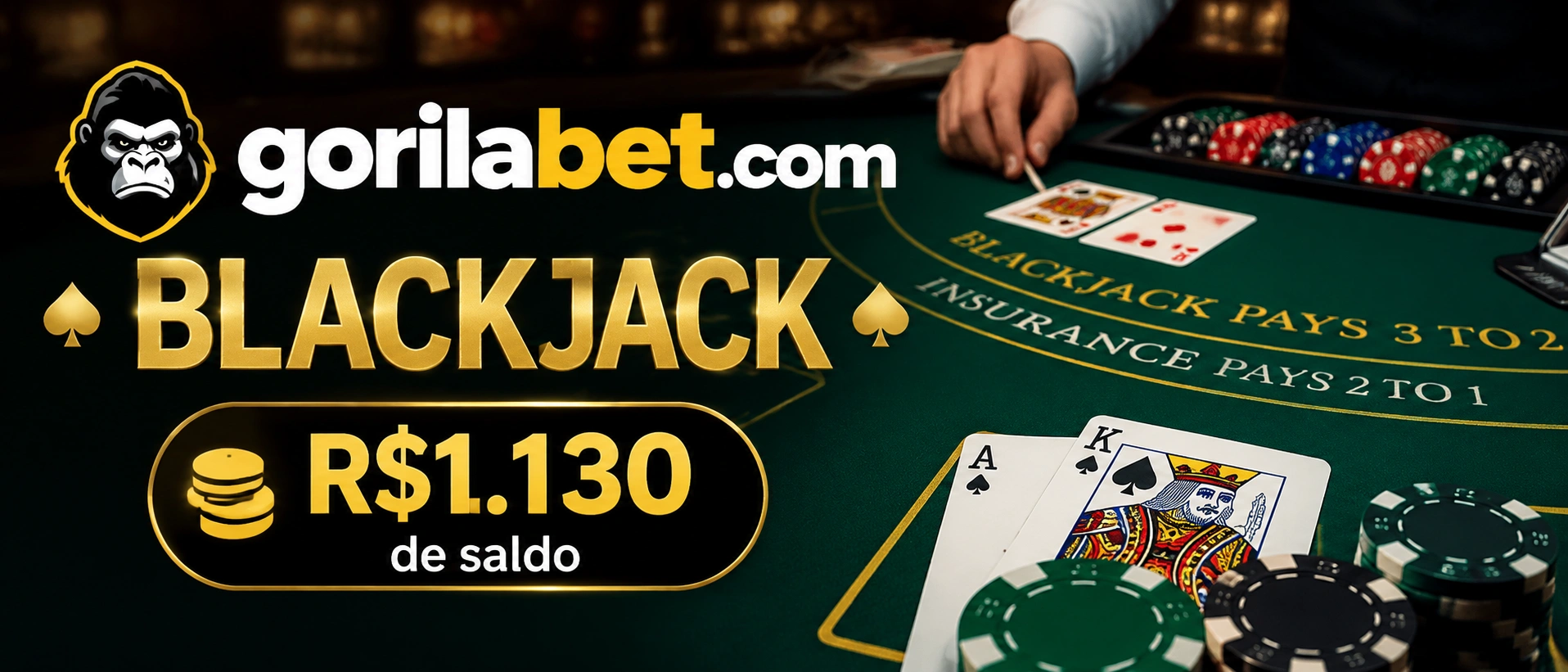
The table below summarizes differences in reading. It does not promise an advantage and does not replace observing the specific game within the environment you are in.
| Criterion | How to read | What to observe |
|---|---|---|
| Round objective | See whether the table ends in a single result or in several decisions. | Roulette tends to be more direct; blackjack, baccarat, and poker call for different readings. |
| Volume of choices | Count how many decisions fit before the outcome. | Tables with more steps require more follow-up of the play. |
| Visible information | Notice how much the table shows right from the start. | When information appears little by little, the round becomes more technical. |
| Action pace | Identify whether the reading is quick or depends on sequence. | The pace helps separate casual play from more analytical play. |
| Type of attention | Notice whether it is enough to choose or whether you need to follow along. | This changes a lot between roulette, blackjack, baccarat, and poker. |
Short answers help avoid confusion between similar games. If the doubt is about format, start here.
gorilabet brings together topics related to electronic games for adults in direct language. If the idea is to move forward with context, it’s worth opening the topics that expand the subject without mixing everything into the same block.

Leituras complementares com contexto e critérios.